







Description
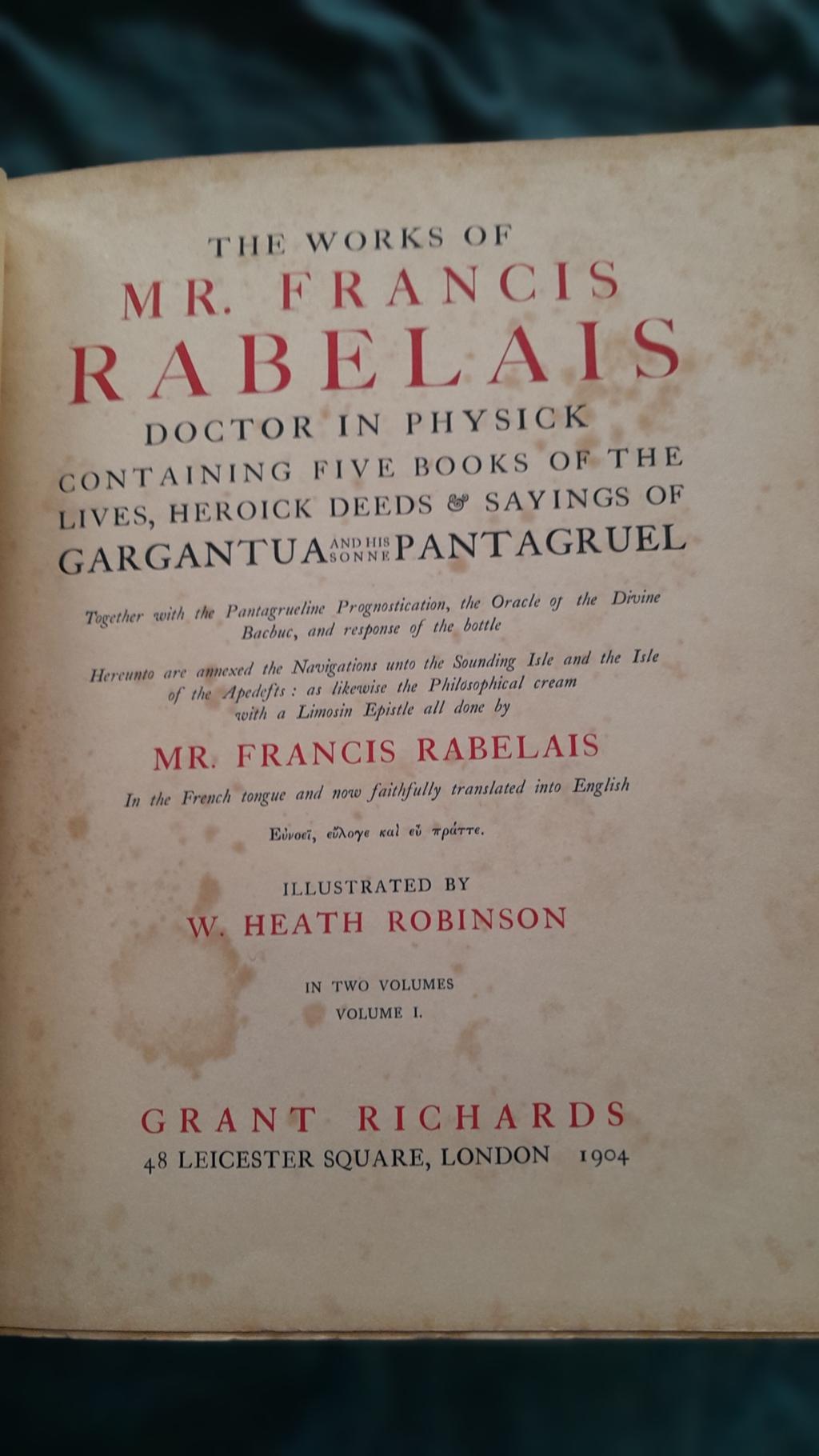
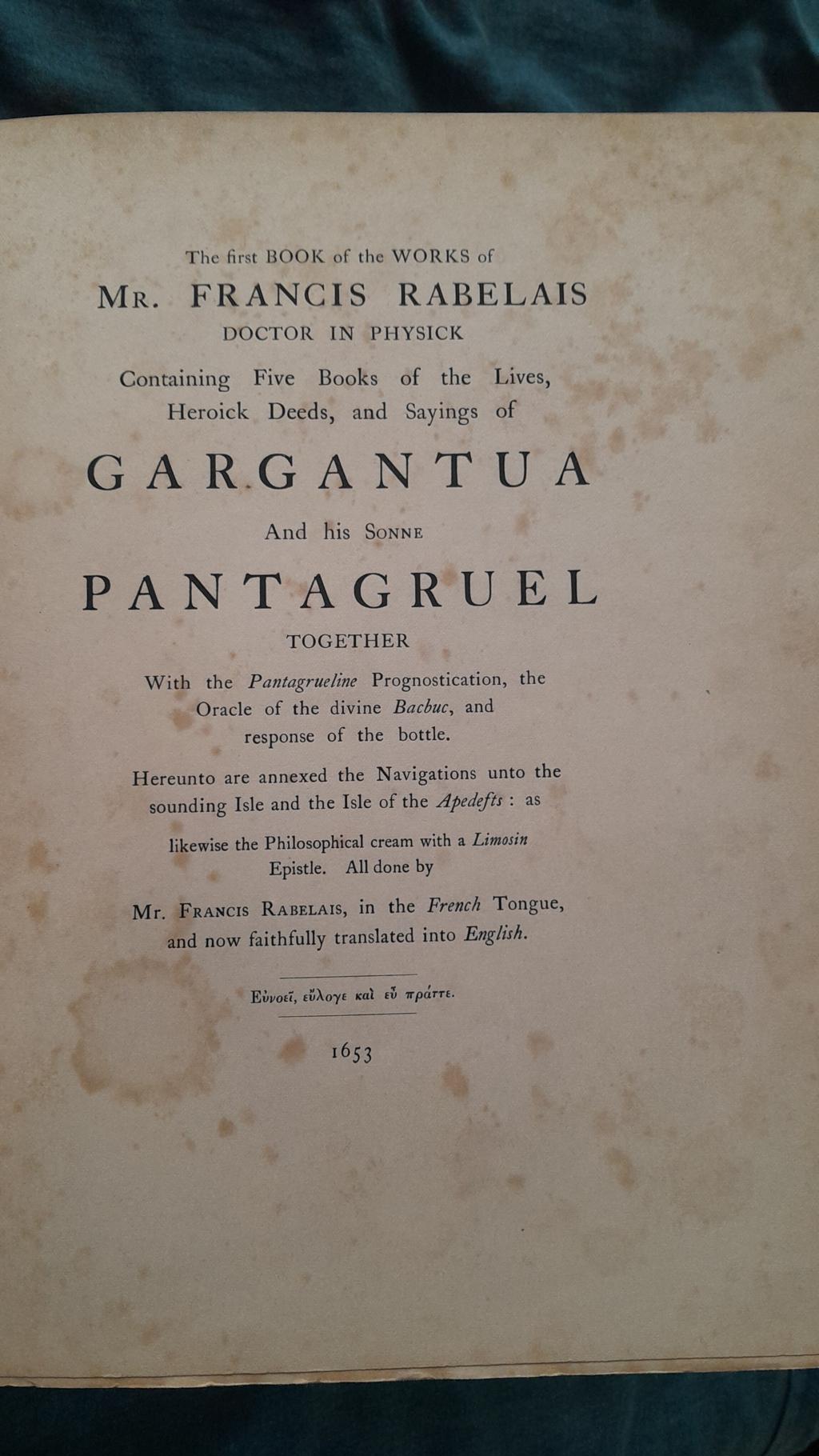
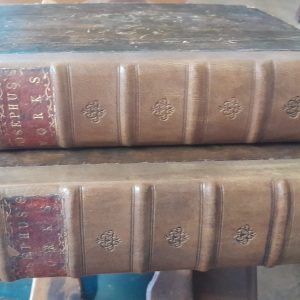
The 1904 edition of Gargantua and Pantagruel (full title often rendered as The Works of Mr. Francis Rabelais, Doctor in Physick, Containing Five Books of the Lives, Heroick Deeds and Sayings of Gargantua and His Sonne Pantagruel) is a notable English-language printing of François Rabelais’ 16th-century satirical masterpiece.
Rabelais (c. 1494–1553), a French Renaissance writer, physician, and monk, originally published the five books (under the pseudonym Alcofribas Nasier) between 1532 and the 1560s. The work follows the gigantic adventures of Gargantua and his son Pantagruel through absurd, bawdy, philosophical, and satirical episodes that mock education, religion, war, law, and society while celebrating humanism, excess, and the joy of life.
Key Details of the 1904 Edition
- Translation: Primarily based on the classic 17th-century English version by Sir Thomas Urquhart (Books 1–3) and Peter Anthony Motteux (Books 4–5), with some revisions or introductions (e.g., by Charles Whibley in related printings). This translation preserves Rabelais’ earthy, inventive language, full of puns, neologisms, and scatological humor.
- Publisher: Often associated with Grant Richards (London) for the two-volume illustrated set, or A.H. Bullen for multi-volume variants. There are slight variations (e.g., 2-volume or 3-volume sets).
- Illustrations: The standout feature is the artwork by W. Heath Robinson (famous for his whimsical “contraptions” and detailed pen-and-ink work). This 1904 edition includes numerous full-page and in-text illustrations—around 100–250 depending on the exact set—depicting the giants’ exploits with humor, exaggeration, and period charm. Some copies are large-paper or limited editions.
Why This Edition Matters
Rabelais’ work is a cornerstone of Western literature—often called the “anti-novel” for its chaotic, encyclopedic style blending lowbrow comedy with highbrow philosophy. The 1904 edition makes this Renaissance classic accessible in elegant, illustrated form during the Edwardian era, when there was renewed interest in such bawdy, humanist texts. It’s prized by collectors for the Robinson illustrations, which capture the grotesque yet playful spirit perfectly.
If you’re looking for:
- Reading the text — Free versions (based on similar Urquhart/Motteux translations) are available on Project Gutenberg.
- Modern alternatives — Translations by J.M. Cohen, Burton Raffel, or M.A. Screech offer more contemporary readability while keeping the satire intact.
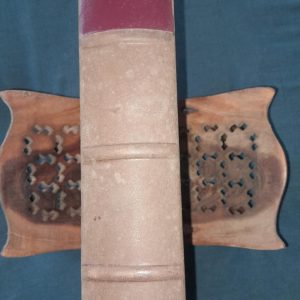
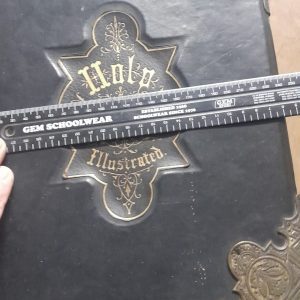
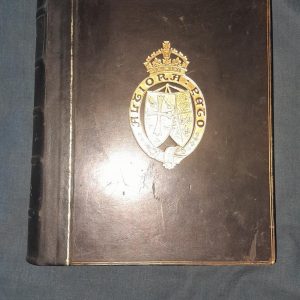
- Physical copies — These 1904 editions appear in antiquarian markets; condition and illustration count affect value.
Is this part of a larger list or collection you’re building (e.g., illustrated classics)? Or are you seeking a summary of the story, recommendations for similar books (like Don Quixote or Swift’s works), or details on acquiring a copy? Let me know how I can help further!

![The Holy Bible [KJV] with Apocrypha, Lectern Bible, Baskett 1738](https://www.jontys.co.za/wp-content/uploads/2026/05/The-Holy-Bible-KJV-with-Apocrypha-Lectern-Bible-Baskett-1738-7-300x300.jpeg)

Reviews
There are no reviews yet.